
Automation is bliss for the end-user but can be a major hassle when you’re trying to cultivate your digital presence. For example, when dealing with Google services, you may notice changes you didn’t make regarding your content. Often, these changes are usually for the better. But if you’re not vigilant, mistakes may slip through the cracks. This can have ramifications on your search engine performance and user experience.
Learn all about the automated features of Google services, their purpose and what to do if they’re causing issues with the number one SEO Agency in Leeds – Wildfire Marketing
Meta Title and Description Changes
Google uses a variety of complex algorithms to place your content on Google search. SEO is all about making sure you’re following the proper steps to get your content ranked highly by these algorithms. Meta Descriptions and Titles are a crucial part of the SEO process.
For those not in the know, this is the title and text included on a Google Result, like so:

This is an integral part of each page to optimise. For example, if Google doesn’t like your meta descriptions and titles, it will change them to display relevant information.
Google’s algorithm is intelligent, but it’s not perfect. Sometimes, it will change your descriptions and titles for the worse, which can severely affect your site traffic. Below is an excellent example of this.
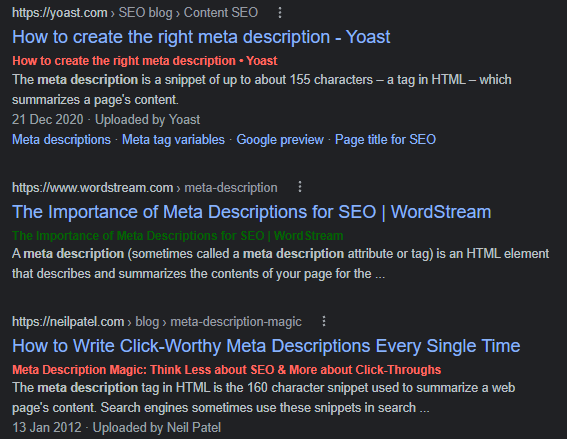
On the first result, a minor change has been made, as seen in red. The second, nothing has been changed. Finally, on the third, we see a fundamental change in the title itself, wholly revamped. This could have massive implications on the ranking of this page, even for a well-known figure such as Neil Patel!
Make sure the content on your meta descriptions is accurate, concise and straight to the point before considering your keywords. Otherwise, Google might wipe all your hard work away!
Youtube Captions and Chapters
YouTube is a core part of the search experience. Videos often show up first, before other search results. YouTube, therefore, spends plenty of time optimising video content to be as easy for a user to understand as possible. YouTube has recently announced and began to implement automatic captioning and chaptering of videos, with the captions being automatically translated to your language.
YouTube uses its machine learning algorithms, similar to what we discussed in our MUM blog, to create captions from audio and chapters from on-screen text. However, these features are in their early days, so making sure your content is as easy as possible for the algorithm to utilise is vital.
For automatic captions, speaking clearly and improving your audio quality is your best bet. However, it’s also possible to supply your own captions, helpful in ensuring your words aren’t mistranscribed by the algorithm.
For automatic chaptering, make sure your text is clear and visible on the screen when you’re moving on to a new topic. Try not to include large text for explanations, as Google may misconstrue this as the start of a new chapter. Conversely, you can automatically add chapters into your description, and they will be transferred to your content – like so:
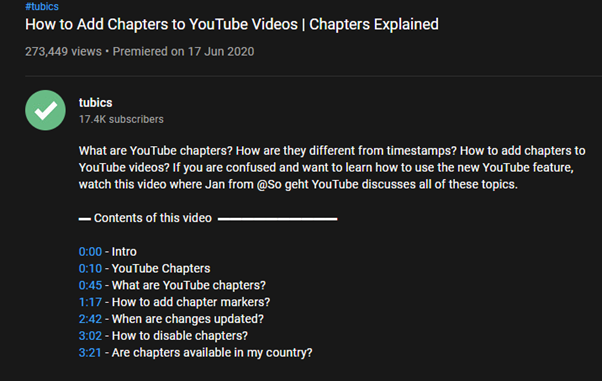
By following these steps, your videos will be easier to navigate for Google and users alike – improving your watch time and hopefully getting your videos in that Featured Snippet spot!
Ranking with Google and appeasing its whims can be a tall order for any business. If you’re struggling to work around the algorithm, Wildfire Marketing is here to help. We are the number one SEO Agency in Leeds. Contact us today to begin your comprehensive Digital Marketing journey.